Empowering Patients: The Journey Through Oncology and Holistic Wellness
Navigating the labyrinth of oncology can feel like embarking on an epic journey, fraught with uncertainties and daunting vocabulary. What do terms like 'malignancy', 'chemotherapy', and 'immunotherapy' really mean? As patients begin the transformative experience from diagnosis to treatment, it is crucial to understand the broader landscape of oncology—where science meets the human spirit. Soon after diagnosis, the road ahead may seem overwhelming, but it's a path that can lead to empowerment and holistic healing, rooted not only in biomedical research but also in compassion and support.
Imagine sitting in an oncologist's office, the air thick with tension as you absorb the gravity of your diagnosis. Just when the world feels like it’s closing in, the conversation shifts to a treatment plan, introducing options such as chemotherapy and radiotherapy. It's hard not to feel like a mere statistic in a world full of numbers indicating survival rates and tumor growth. However, do not lose heart: every statistic tells a story, and those stories involve courageous individuals overcoming significant health hurdles. You are not alone, and understanding your journey begins with the resources available to you, including patient education and support groups that foster community awareness.
At this juncture, the words you choose to embrace are powerful. They matter in the realm of living with cancer. For instance, embracing 'wellness' involves not just fighting the disease, but thriving despite it. How do we transform fear into strength? What coping strategies can we leverage to manage both the physical symptoms and emotional upheaval? By integrating holistic treatment approaches alongside traditional oncology methods, we can create a robust plan for better quality of life. Emphasizing preventive care can also be pivotal—detailing proactive steps to take at different stages of cancer removes a little of the power the disease once held.
As we navigate through this intricate landscape, we discover that our oncologist is not merely a provider of treatment options; they become partners in the healing journey. The power of clinical trials can open doors to cutting-edge therapies that have shown promise in the fight against tumor growth. Here lies potential and hope! Imagine being among the first to experience the life-changing effects of a new immunotherapy. Wouldn’t you want to know how the latest biomedical research might hold the key to your future survival?
None of these pathways are taken in isolation. Your story interlaces with others, creating a rich tapestry of strength and resilience. Find solace in the words of others who have walked down this challenging path; as one patient eloquently stated, 'It’s not just about surviving – it’s about living fully.' So let’s come together, celebrate community, and share alternative medicine insights that can enhance our wellness. No matter where you are in your journey, remember: navigating through the landscape of oncology doesn’t mean walking alone; it means engaging in a shared experience rich with possibilities.
Integrating Chemotherapy and Alternative Medicine for Enhanced Patient Wellness
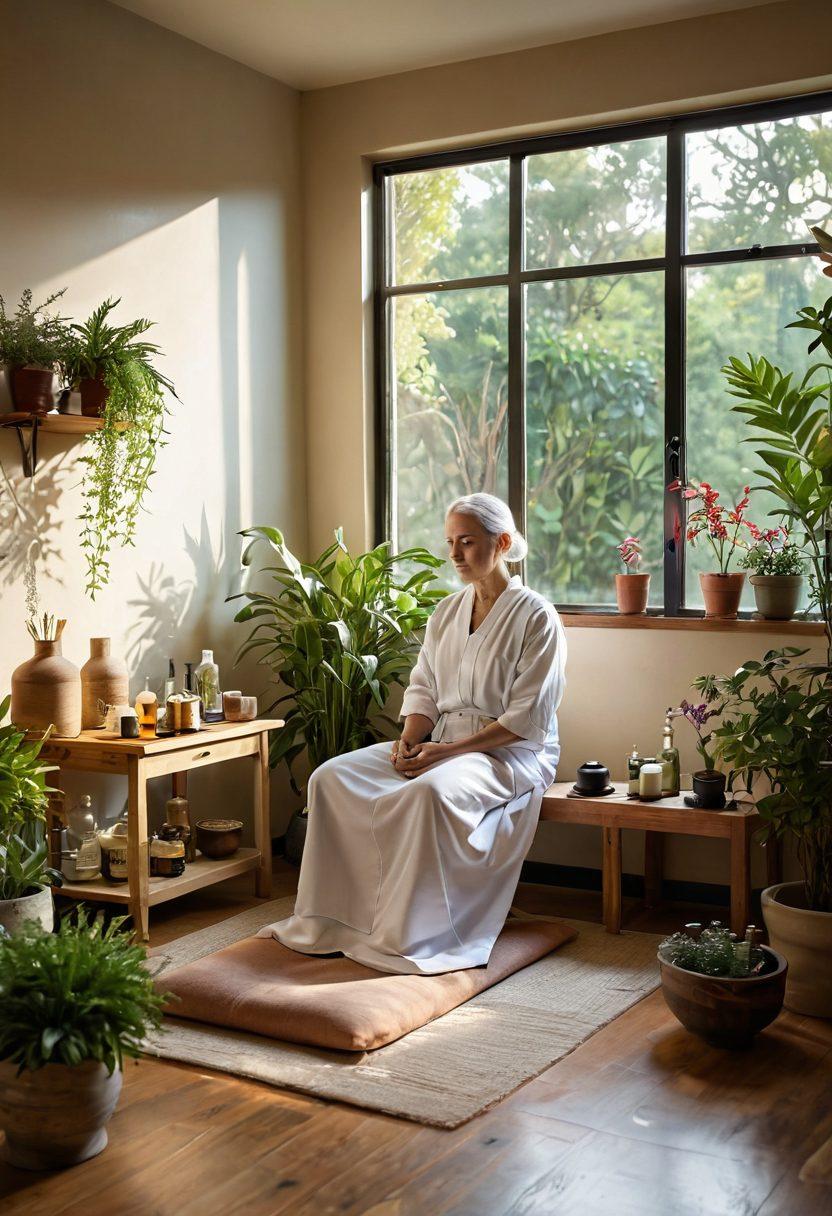
When faced with a cancer diagnosis, the world can feel like it's been turned upside down. Tumors, chemotherapy, and oncologists become part of everyday language, and the journey can be daunting. The question many patients grapple with is not just how to fight this disease but how to do so while maintaining their overall wellness. Integrating chemotherapy with alternative medicine can be a game-changer, offering a path to enhanced patient wellness amid the rigors of oncology treatments.
Imagine stepping into your oncologist's office, confronted with the stark reality of your diagnosis. After the initial shock, it's easy to feel overwhelmed by treatment options and side effects. However, many studies show that patients who adopt alternative medicine alongside traditional oncology treatments experience a better quality of life. Alternative medicine might include practices like acupuncture or herbal therapies, helping to alleviate symptoms and boost resilience against the emotional stress of living with cancer.
One patient named Sarah embarked on her breast cancer journey determined to take control. Alongside her chemotherapy, she sought out various holistic treatment methods. She found solace not only in her support groups where she shared her experiences but also in mindfulness and yoga practices that helped keep her grounded. Sarah’s story emphasizes a critical insight in the realm of healthcare: integration of preventive care and alternative methods isn’t just about countering side effects; it’s about nurturing the soul, and finding community awareness among like-minded warriors.
Statistics reveal that an increasing number of patients are opting for integrated care, blurring the lines between conventional oncology and alternative approaches. The effectiveness of this integration is reflected in clinical trials showing how certain holistic treatments, like immunotherapy, can be more effective in soothing symptoms when combined with chemotherapy. Living well with cancer is more than just surviving; it’s about thriving, and every ounce of research supports the idea that utilizing alternative medicine can enhance that thriving experience.
Coping strategies vary, but they often include some form of patient education, enabling individuals to take an active role in their journey. By understanding both the realities of their malignancy and the methodologies available for treatment—like integrative approaches—patients can forge a path that suits their unique lifestyles and needs. So, if you are navigating the treacherous waters of oncology, consider connecting with others, exploring alternative medicine, and empowering yourself with knowledge. The combination just might turn your battle into a journey of hope and community support.
Building Supportive Communities: Coping Strategies and Patient Education in Cancer Care
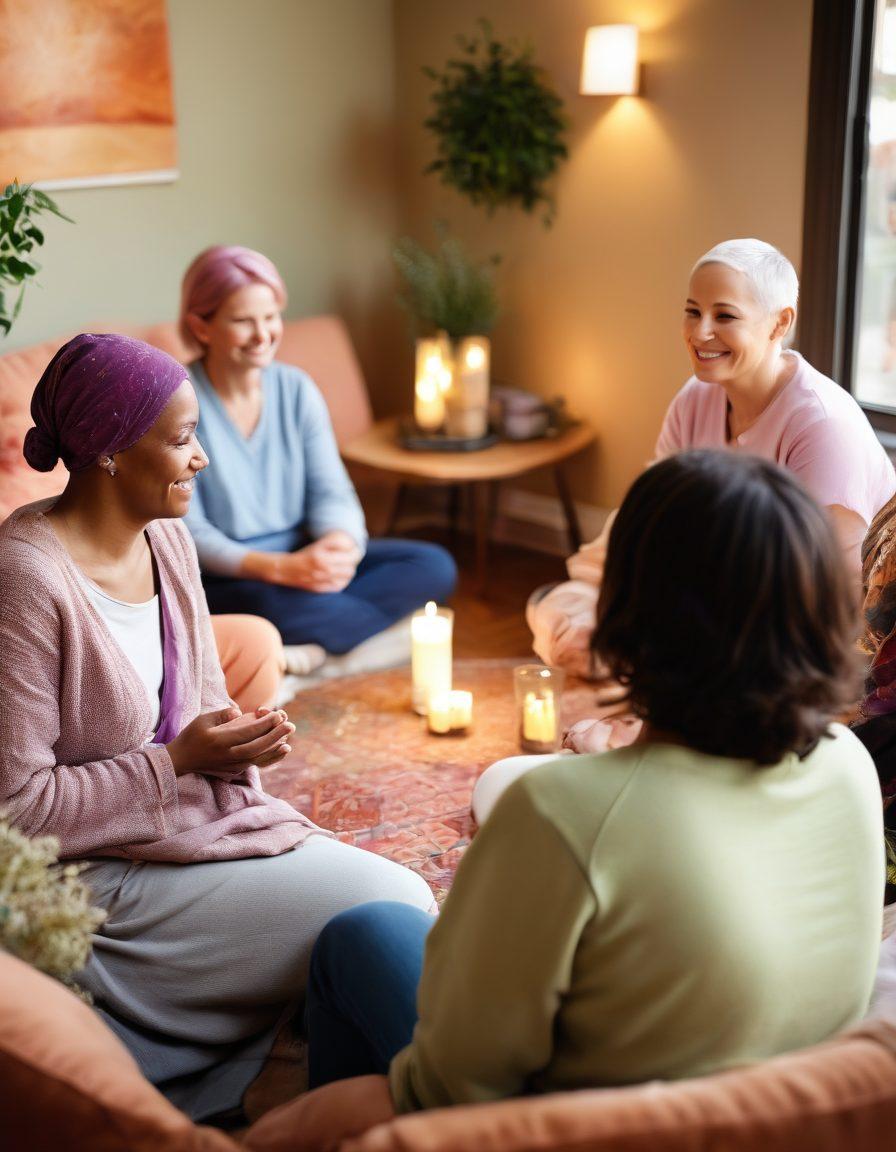
Building supportive communities is vital for patients journeying through cancer care, encompassing everything from diagnosis through to recovery and quality of life enhancement. The term 'oncology' is often loaded with fear and uncertainty, but what if we shifted the conversation towards empowerment instead? In the face of malignancy, a strong network can offer solace and strength. Can you imagine walking into a room filled with people who not only understand your struggles but also uplift and guide you through the challenges? This paints a hopeful picture of cancer care that relies heavily on community support, coping strategies, and patient education.
Patient education is a cornerstone in navigating the complex world of oncology. Understanding your disease—from the type of tumor to the recommended treatment options like chemotherapy, radiotherapy, and even emerging immunotherapy—can arm you with the power you need to advocate for your care. What does it feel like to decode medical jargon and translate it into a language that resonates? This is a journey in itself, where knowledge becomes a bridge connecting patients to their oncologists. Engaging in support groups can transform the learning curve into a rich, shared experience. It's like holding a compass to direct you on your path, wouldn’t you agree?
Coping strategies extend beyond clinical trials and medical treatments. They embrace holistic treatment approaches that cater to emotional and psychological well-being. Relatable stories often emerge from those who have walked the road of 'living with cancer.' These stories are not just anecdotes; they are reservoirs of wisdom, equipping others with the tools to manage symptoms and maintain wellness during the unpredictable journey of cancer. What are the most effective coping strategies you've heard about or experienced? Often, the answer lies within the community. It’s about sharing light amidst the darkness, helping others to shine brighter.
Statistics and biomedical research can seem daunting, but they underline the importance of community awareness regarding preventive care. How can we leverage these insights to empower not just those diagnosed with cancer but also their support systems? The more informed we become about disease progression and treatment options, the better we can engage with healthcare providers and make empowered choices. Discussions in support groups about these topics illuminate paths to understanding and addressing the psychological impacts of cancer treatments.
In conclusion, the journey through oncology and the world of holistic wellness is not one that should be traveled alone. Building supportive communities fuels patient education and empowers individuals to adopt effective coping strategies. The dialogue shifts from a solitary fight against cancer to a collective journey filled with hope, camaraderie, and resilience. Imagine a world where every patient feels supported and informed about their cancer journey. Together, as informed individuals, we can transform fears into fighting spirits, fostering a nurturing environment that celebrates wellness at every stage of cancer.